Bioinformatics

Delving into Genetic Data

Bioinformatics Service

New high-throughput sequencing techniques are generating increasingly large volumes of promising data. However, analyzing this data can seem impossible without the right expertise. We offer our training and experience in NGS data analysis to help you obtain robust, reliable results.

If you believe your project could benefit from our expertise in omics data bioinformatics, don’t hesitate to use our bioinformatics service. We apply the most suitable techniques for each case, while also guaranteeing full reproducibility of our analyses.

We would be delighted to assist you with:

  • Processing: Quality control, trimming and filtering, normalization.
  • Genomics: Genome assembly and annotation, variant analysis (SNPs, SNVs), association analysis.
  • Transcriptomics: Transcriptome assembly and annotation, differential expression analysis, enrichment analysis.
  • Metagenomics: Metagenome assembly, taxonomic assignment, ecological analysis, functional analysis.
  • Metataxonomics: Taxonomic assignment, ecological analysis.

NGS DATA ANALYSIS EXPERTS

We Use Custom Pipelines & Tailor the Analysis to Your Goals

With over 10 years of experience analyzing high-throughput sequencing (NGS) data, we specialize in transcriptomics and metagenomics.

ust as one can study the genome of an individual organism, it’s also possible to study the genome of an entire ecosystem. Using bioinformatic techniques, we can reconstruct the genomes of most organisms present in a sample and identify their genes. This allows us to not only characterize microbial communities but also delve into the Functional Ecology of an ecosystem. For example, by analyzing the genes of a microbial community, we can determine which ecological, biochemical, and other functions are being performed.

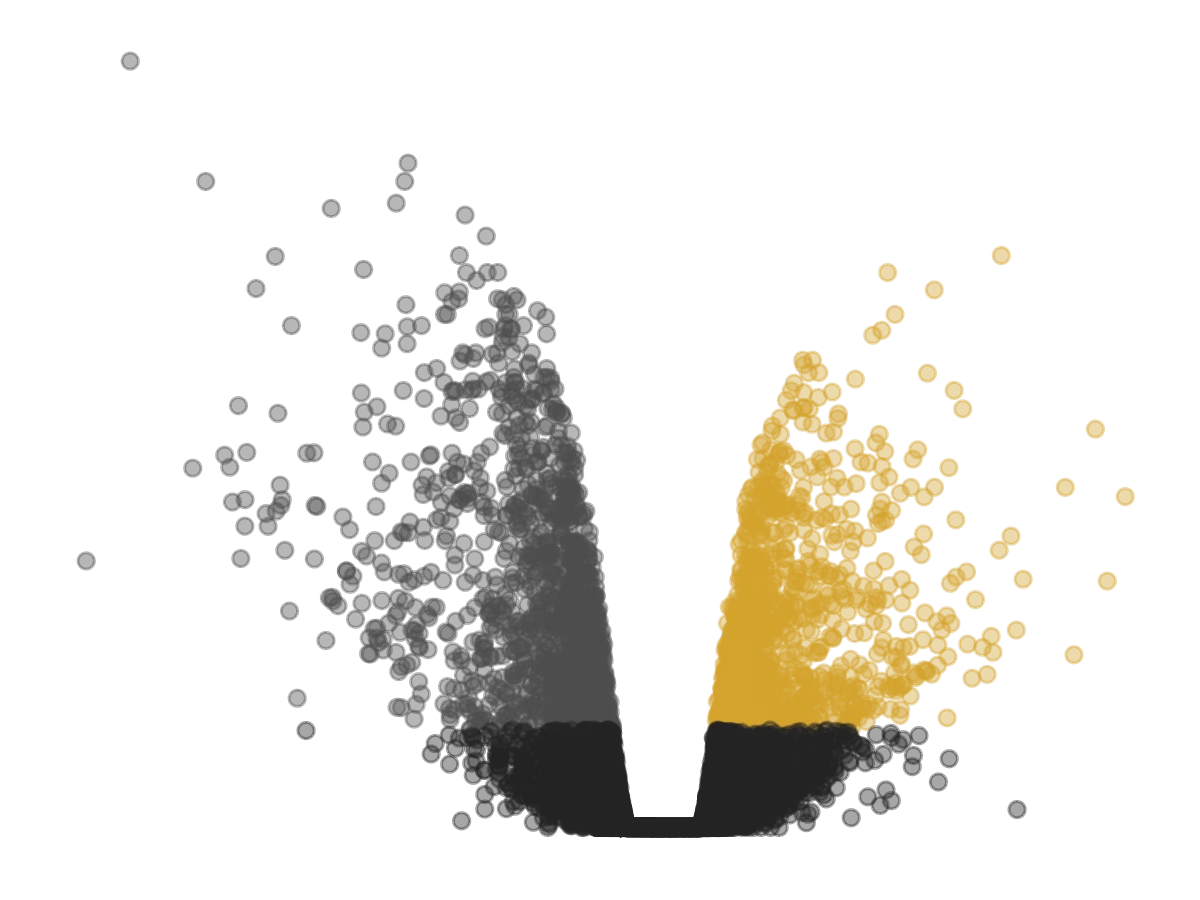
Transcriptomics involves the detailed study of all transcripts within an organism, tissue, or cell. This approach enables differential expression studies, which help identify which genes are being expressed under specific conditions and, consequently, which biological functions are affected across different experimental scenarios.

Genomics

The study of a complete genome or specific parts of it (exome, RAD-Seq, etc.) enables the creation of physical gene maps and the analysis of genomic variations. When a reference genome is available, variant analysis can be performed, allowing, for example, the identification of mutations underlying specific diseases.

Metataxonomics

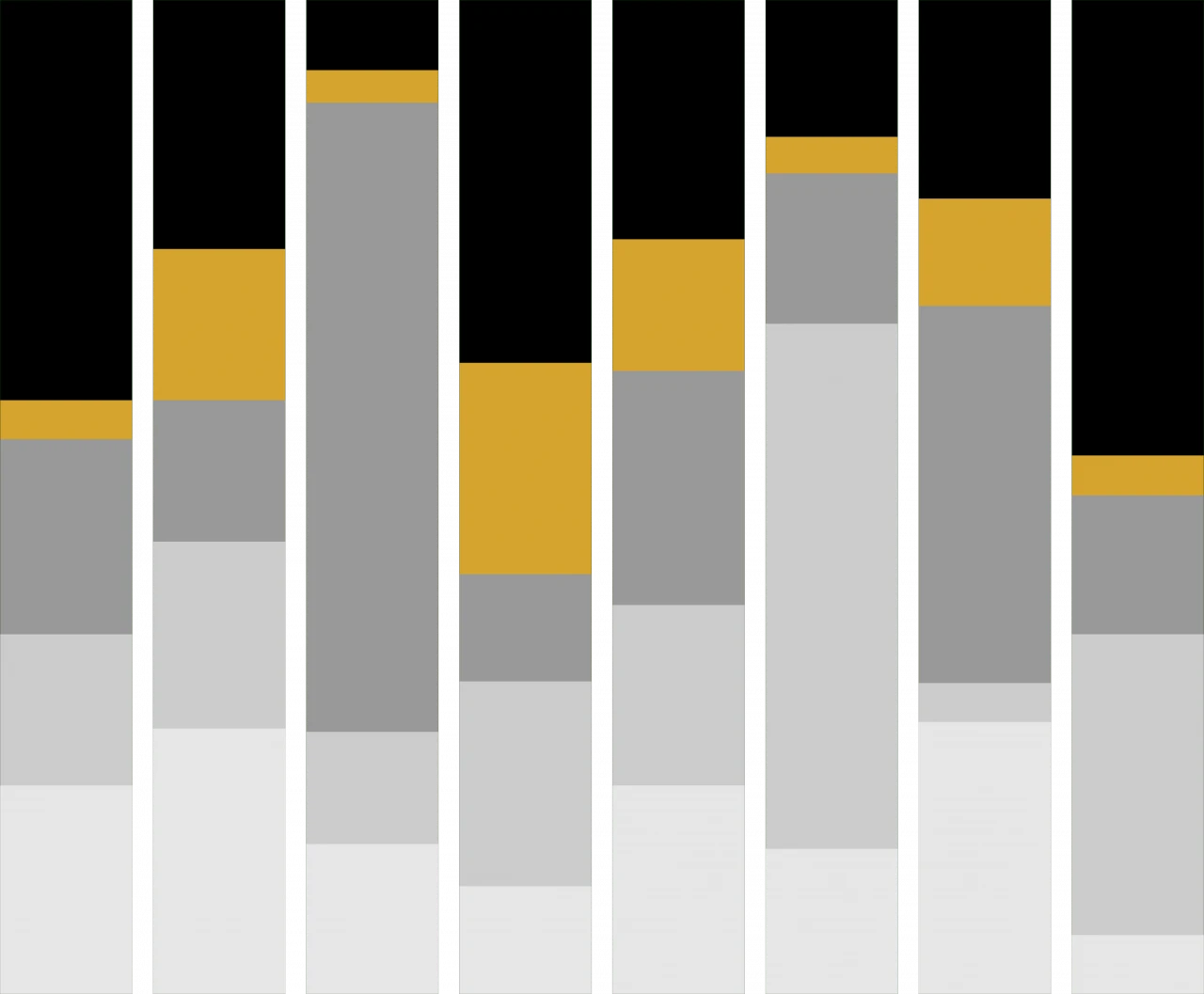
Through high-throughput sequencing of a gene from a sample, the vast majority of organisms present in that sample can be identified. By processing the gene sequence reads with bioinformatic tools and comparing them to databases, we can determine the species that were present in the sample. This enables detailed studies in community ecology.

BioDatev servicio de análisis metataxonómico
BioDatev rec

Phylogenetic Reconstruction

Phylogenetic inference is a crucial step in any evolutionary study. Selecting the appropriate gene or genes to study, the evolutionary model, and the algorithm to use are all critical steps for obtaining a robust and consistent phylogeny. Furthermore, these techniques can also assist in the molecular identification of species.

Don't Wait to Unlock Your Data's Potential

Contact Our Experts and Start Seeing Results!

Have Any Questions?

Feel free to reach out using our contact form below. Request the information you need—there’s no obligation.

You can also contact us directly by phone or email:

Contact Form